
Natural Ways to Relieve Pet Joint Stiffness
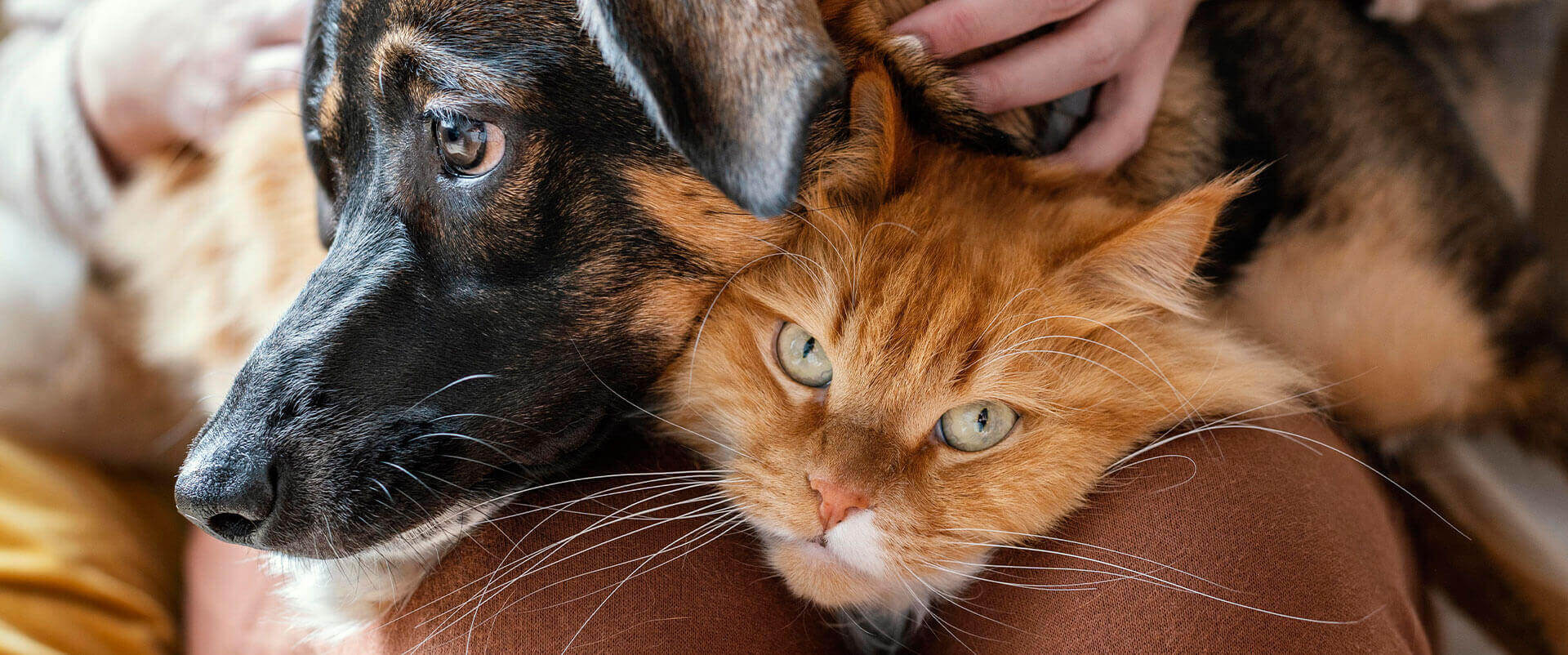

Natural Ways to Relieve Pet Joint Stiffness
As the seasons change and chilly weather settles in around Tinton Falls, many pet owners notice their beloved companions seem a little slower to rise in the morning or less enthusiastic about walks. Joint stiffness in pets, particularly during colder months, is a common concern that can affect both domestic and exotic animals. At Prism Vet Health, located at 33 Newman Springs Road, Tinton Falls, NJ 07724, our veterinary team understands the importance of natural, gentle solutions for your pet’s comfort and mobility. This blog will explore how holistic therapies such as acupuncture, herbal supplements, and innovative integrative approaches can provide effective natural pet joint stiffness relief. We’ll also discuss how our approach personalizes care for each animal and when it’s time to schedule an appointment to ensure your pet receives the support they deserve. If you’ve been searching for a quality vet near me offering integrative and holistic options for joint pain, you’re in the right place.
Throughout this article, you’ll discover how to recognize the signs of joint discomfort in your pet, learn about common causes, review natural treatment options available at Prism Vet Health, and find out what you can do at home to help your companion stay active and comfortable. For those interested in exploring acupuncture for pets or holistic medicine to address mobility issues, you’ll find helpful links to additional resources and services as you read on.
Recognizing the Signs of Joint Stiffness in Pets
Pet joint stiffness can appear gradually or suddenly, often making it tricky for owners to spot the early warning signs. Recognizing these symptoms is the first step toward finding natural relief and preventing further discomfort. Key symptoms include a noticeable reluctance to jump up onto furniture or into vehicles, hesitation or stiffness when getting up after resting, and a decrease in playfulness or willingness to go for walks. Additionally, you may observe limping, favoring of certain limbs, or difficulty climbing stairs. Some pets might seem irritable or withdrawn, especially if handling or touch around their joints becomes uncomfortable.
For exotic pets such as rabbits, reptiles, or birds, signs can be more subtle and might include reduced movement, changes in posture, or altered eating habits due to discomfort. If you notice your pet’s mobility changing, especially during colder months in Tinton Falls and surrounding communities, it is important to consider joint stiffness as a possible cause and look into natural pet joint stiffness relief options.
Why Does Joint Stiffness Happen? Understanding the Causes
Joint stiffness in pets can arise from a variety of factors, including aging, genetics, past injuries, or chronic conditions such as arthritis. In older dogs and cats, the cartilage that cushions joints naturally wears down over time, leading to inflammation, reduced range of motion, and discomfort. Additionally, certain breeds are more prone to joint issues due to their genetics or body conformation.
For exotic pets, improper husbandry, nutritional imbalances, or lack of appropriate exercise can contribute to joint problems. Cold or damp weather, which is common during New Jersey winters, often exacerbates stiffness by causing muscles and joints to tighten. Rapid weight gain can also put extra stress on joints, making it harder for pets to move comfortably.
Environmental factors, such as slippery floors or inaccessible resting spots, may also play a role in joint health. By understanding these causes, pet owners can take proactive steps to minimize risk and seek out effective, natural pet joint stiffness relief tailored to their animal’s specific needs.
Natural Treatment Options: Holistic Approaches for Pet Joint Stiffness
At Prism Vet Health, our philosophy blends conventional veterinary medicine with natural therapies to address joint stiffness at its root. Treatment approaches involve a combination of acupuncture, herbal medicine, dietary supplements, and advanced integrative therapies designed to promote comfort and mobility without relying solely on pharmaceuticals.
Acupuncture for Pets: Gentle Relief and Improved Mobility
Acupuncture for pets is a time-tested modality that uses thin needles to stimulate specific points on the body, promoting circulation, reducing inflammation, and encouraging the body’s natural healing responses. Many pet owners are pleasantly surprised to see their dogs, cats, or even exotic pets relax deeply during acupuncture sessions. This therapy is particularly effective for chronic joint stiffness and can be used alongside other treatments for comprehensive care. If you’re interested in learning more about this natural therapy, explore acupuncture as a treatment for pets at Prism Vet Health.
Herbal Medicine and Dietary Supplements for Joint Health
Herbs and dietary supplements offer additional natural pet joint stiffness relief by supporting joint tissue repair, reducing inflammation, and providing essential nutrients. Commonly used supplements include omega-3 fatty acids, glucosamine, chondroitin, and specific herbal blends that target joint health. Our veterinary professionals carefully select and customize these natural options based on your pet’s unique needs, ensuring safety and effectiveness. For more information on these holistic options, visit our page on herbs and dietary supplements for holistic joint support in pets.
Additional Integrative Therapies: Nutrition, Spinal Manipulation, and More
Integrative nutrition plays a vital role in supporting joint comfort. Adjusting your pet’s diet to include anti-inflammatory foods, maintaining a healthy weight, and ensuring balanced nutrients can make a significant difference. Our team offers integrative nutrition services for supporting pet health and joint comfort, tailoring dietary plans to the needs of both domestic and exotic animals.
For some pets, spinal manipulation or gentle chiropractic techniques may help restore alignment and reduce compensatory muscle tension, further improving mobility. Our holistic veterinary team also utilizes therapies such as K Laser, IV nutrient therapy, and medical ozone when appropriate, providing a truly individualized approach to natural pet joint stiffness relief.
Home Care and Prevention: Supporting Your Pet’s Joints Every Day
While professional veterinary care is essential for diagnosing and managing joint stiffness, there are several steps you can take at home to support your pet’s comfort and prevent worsening symptoms. Ensuring your pet maintains a healthy weight is crucial; excess weight places additional strain on joints and exacerbates stiffness. Regular, gentle exercise tailored to your pet’s abilities helps maintain muscle tone and joint flexibility. For dogs, this might mean short walks on soft surfaces, while cats benefit from interactive toys and climbing opportunities.
Providing soft, supportive bedding and non-slip mats in your home can make it easier for pets to move around safely, especially on hardwood or tile floors. During colder weather, keeping your home warm and avoiding sudden temperature changes can reduce stiffness. Nutritional choices also matter; incorporating anti-inflammatory foods and supplements as recommended by your veterinarian can offer ongoing joint support.
For exotic pets, ensure enclosures are appropriately sized, have proper substrate, and encourage natural movement patterns. Regular enrichment and safe, supervised exercise time can also contribute to joint health. Remember, prevention and home support are most effective when combined with professional guidance from a veterinarian experienced in natural pet joint stiffness relief.
When to Seek Veterinary Care: Ensuring Your Pet’s Comfort and Mobility
Although mild joint stiffness may improve with home care and lifestyle adjustments, certain signs indicate it’s time to schedule an appointment with a veterinary professional. Immediate veterinary attention is recommended if your pet shows persistent or worsening lameness, severe pain, swelling of the joints, loss of appetite, or a sudden reluctance to move. For exotic pets, any marked change in activity or eating habits should prompt a call to your veterinarian.
At Prism Vet Health, our veterinary team prioritizes gentle, integrative care tailored to each animal’s needs. We encourage pet owners in Tinton Falls and surrounding communities to contact us promptly if they notice changes in their pet’s mobility. Early intervention can prevent further joint damage and ensure your companion regains their comfort and zest for life. Exploring options like holistic veterinary medicine to address root causes and support pet mobility can be especially valuable for pets with chronic or complex joint issues.
Conclusion: Helping Your Pet Thrive with Natural Joint Support
Joint stiffness doesn’t have to limit your pet’s happiness or quality of life. By recognizing the early signs, understanding the underlying causes, and seeking natural pet joint stiffness relief in Tinton Falls, you can help your dog, cat, or exotic companion remain active and comfortable all year round. The veterinary professionals at Prism Vet Health are dedicated to providing a compassionate, integrative approach, combining therapies like acupuncture for pets, herbal supplements, and tailored nutritional plans for optimal joint health.
If you’ve been searching for a vet near me who understands the value of holistic and conventional medicine working together, we invite you to schedule an appointment with our veterinary team at Prism Vet Health. You’re welcome to visit our conveniently located clinic at 33 Newman Springs Road, Tinton Falls, NJ 07724 for natural pet joint stiffness relief in Tinton Falls and surrounding communities.
To learn more about our approach or discuss your pet’s mobility concerns, call us at (732) 487-3545, or explore our available resources on herbs and dietary supplements for joint support in pets and integrative nutrition services for joint comfort. Our team looks forward to supporting your pet’s journey toward greater comfort, mobility, and well-being.
This article is intended for informational purposes only and should not be considered a substitute for professional veterinary advice. Always consult with your veterinarian regarding your pet’s specific needs and before starting any new treatment or supplement regimen.