How to Spot Subtle Symptoms in Exotic Pets
How to Spot Subtle Symptoms in Exotic Pets: A Holistic Approach for Tinton Falls Owners
Exotic pets—from parrots and rabbits to reptiles and small mammals—often bring a sense of wonder and joy to households in Tinton Falls, NJ. Yet these extraordinary companions also present unique challenges, especially when it comes to detecting signs of illness. Unlike dogs and cats, exotic pets tend to mask discomfort or disease, making it easy for even attentive owners to miss early warning signs. At Prism Vet Health, we understand how vital it is to recognize subtle changes in your exotic pet’s behavior or appearance. Our holistic exotic veterinary care combines advanced diagnostics with gentle therapies to catch health issues early, supporting wellness and longevity for your cherished animals.
In this blog, we will explore how to identify subtle exotic pet symptoms, what underlying issues may be at play, and how holistic approaches such as integrative diagnostics, nutrition, acupuncture, and natural therapies can provide early intervention. For pet owners seeking a specialist vet near me or looking for integrative veterinary services in Tinton Falls, you’ll find practical advice and reassurance that your exotic companion is in experienced hands. You will also discover how our unique combination of conventional and natural medicine can address your pet’s needs with expertise and compassion. To learn more about our philosophy, visit our page on holistic medicine for pets.
Recognizing Subtle Exotic Pet Symptoms: What Pet Owners Should Watch For
Detecting illness in exotic animals requires keen observation and understanding of species-specific behaviors. Since many exotics instinctively hide signs of weakness, early symptoms can be surprisingly minor. Key signs of illness in exotic pets include changes in eating habits, such as a normally eager parrot suddenly refusing its favorite fruit or a guinea pig picking at its hay rather than munching with enthusiasm. Behavioral shifts are also important; increased hiding, reduced vocalization, or unusual aggression may signal discomfort. Physical changes, like dull feathers, patchy scales, or a hunched posture, could indicate underlying health challenges. Another subtle symptom is changes in droppings; for example, a rabbit producing smaller, drier pellets or a reptile passing less waste than normal can be early hints of digestive issues.
Owners should also pay attention to respiratory patterns. Labored breathing, sneezing, or open-mouth breathing in birds and reptiles is never normal and demands immediate attention. Subtle weight loss often goes unnoticed until significant, so regular weighing at home or during comprehensive pet exams is invaluable. Other signs such as excessive scratching, overgrooming, or minor swelling around the face or limbs should not be ignored. If you notice any of these symptoms, it is wise to seek exotic pet diagnostics in Tinton Falls to ensure a timely evaluation.
Why Exotic Pets Hide Illness: Understanding the Causes
Exotic pets evolved as prey in the wild, so concealing illness is a natural defense mechanism. By masking weakness, they avoid drawing the attention of predators. This survival strategy means that by the time an exotic animal shows obvious symptoms, the illness may already be advanced. Factors such as improper diet, environmental stress, inadequate humidity or temperature, and lack of mental stimulation can contribute to the onset of disease. For example, reptiles kept in enclosures with incorrect temperature gradients may develop chronic lethargy or appetite loss. Birds deprived of social interaction can exhibit feather plucking or self-harm, while small mammals exposed to drafts or poor nutrition are at risk for respiratory and digestive issues.
Additionally, exotic pets have unique physiological needs. Metabolic bone disease in reptiles, vitamin deficiencies in birds, and dental issues in rabbits and guinea pigs often develop gradually, with subtle symptoms appearing first. Understanding these species-specific risks highlights the importance of holistic exotic veterinary care focused on prevention, early detection, and integrative therapies. Our veterinary team at Prism Vet Health is dedicated to uncovering even the most elusive signs of illness using advanced integrative diagnostics and a deep understanding of exotic physiology.
Holistic Exotic Veterinary Care: Natural Treatments and Integrative Approaches
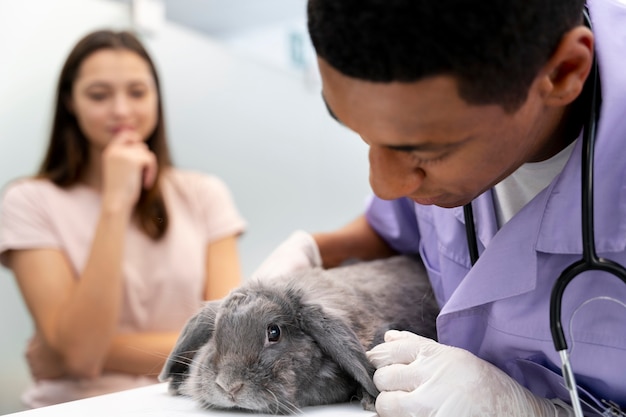
When subtle symptoms are detected, a holistic approach provides a comprehensive path to wellness. At Prism Vet Health, our team of veterinarians blends conventional and natural therapies to address the root causes of illness, not just the symptoms. Treatment options for exotic pets begin with thorough integrative diagnostic testing, which may include physical examinations, advanced imaging, and laboratory analysis tailored to each species.
Once a diagnosis is made, we develop individualized care plans that may incorporate acupuncture for pain relief, medical ozone or IV nutrient therapy for immune support, and herbal or dietary supplements to correct underlying imbalances. For instance, a bird presenting with low energy may benefit from targeted nutritional therapies and gentle herbal remedies, while a reptile with digestive sluggishness might receive microbiome restoration and environmental recommendations to promote gut health. The use of acupuncture and herbs and dietary supplements enables us to support the natural healing processes of exotic animals, minimizing the need for aggressive conventional medications whenever possible.
Our commitment to holistic exotic veterinary care means we take time to understand not just your pet’s symptoms but also their environment, nutrition, and emotional wellbeing. This integrative philosophy is especially important for exotic animals, whose needs often differ dramatically from those of more familiar pets.
Prevention and Home Care: Supporting Your Exotic Pet’s Wellness
Proactive home care forms the foundation of health for exotic pets. Owners can support their companion’s wellbeing by providing a balanced species-appropriate diet, maintaining clean and enriched enclosures, and ensuring proper temperature, humidity, and lighting. For example, regular rotation of toys and perches can prevent boredom in birds, while periodic enclosure checks for reptiles help avoid hidden hazards. Monitoring your pet’s normal behaviors, weight, and eating patterns will help you spot any deviations early.
For ongoing prevention, consider scheduling regular wellness visits with a specialist vet near me who understands the unique requirements of exotic pets. These exams allow for early detection of subtle changes that might escape notice at home. Integrative nutrition also plays a crucial role; our team can formulate custom diets and recommend safe, natural supplements to address any deficiencies and support optimal health. For more information about nutritional strategies tailored to exotics, explore our services in integrative nutrition for pets. By working together, you and our veterinary professionals can create an environment where your exotic pet thrives.
When to Seek Veterinary Care: Guidelines for Exotic Pet Owners
Prompt veterinary attention is critical when you observe subtle or sudden changes in your exotic pet’s appearance or behavior. If symptoms such as refusal to eat, labored breathing, dramatic weight loss, persistent lethargy, or changes in droppings arise, do not wait for these signs to worsen. Exotic pet diagnostics near me, especially at a holistic specialty clinic like Prism Vet Health, offer the expertise and resources needed for early intervention.
Even if symptoms seem minor, it is always safer to consult our team of veterinarians. Early visits can mean the difference between a simple adjustment in care and a more complex, advanced treatment protocol later. Our veterinary professionals are equipped to guide you through the process, helping you recognize when a consultation is necessary and offering specialized care that general practices may not provide. If you are ever unsure, a call to our clinic can provide valuable reassurance and next steps.
Compassionate, Holistic Support for Exotic Pets in Tinton Falls
Caring for an exotic pet in Tinton Falls, NJ is a rewarding journey, but it comes with unique responsibilities and challenges. By staying alert to subtle exotic pet symptoms and seeking out holistic exotic veterinary care, you help ensure your companion receives the best possible support. Prism Vet Health is committed to blending the wisdom of natural therapies with the rigor of advanced diagnostics, so every exotic pet receives individualized, compassionate care.
If you notice changes in your pet’s behavior or appearance, or if you want to schedule a wellness exam with a specialist vet near me, our veterinary professionals are here to help. Reach out to our team at (732) 487-3545 or visit us at 33 Newman Springs Road, Tinton Falls, NJ 07724 to discover how holistic medicine, integrative nutrition, and natural therapies can transform your exotic pet’s health. For more details on the services we offer, including primary care and wellness exams for pets, we invite you to explore our website or contact us directly.
Your pet’s wellbeing is our top priority, and together, we can help them thrive—naturally and holistically—right here in Tinton Falls and the surrounding communities.
Disclaimer: This blog is intended for informational purposes only and should not replace professional veterinary advice. If you suspect your exotic pet is ill, please consult a qualified veterinarian immediately. For emergencies or urgent questions, always contact your veterinary team without delay.
References:
- Association of Exotic Mammal Veterinarians: Exotic Animal Care Resources
- American Board of Veterinary Practitioners: Recognized Exotic Animal Specialties
- Holistic Medicine Approaches for Exotic Pets (PetMD)